What Happens If You Don’t Pay Your Property Taxes?
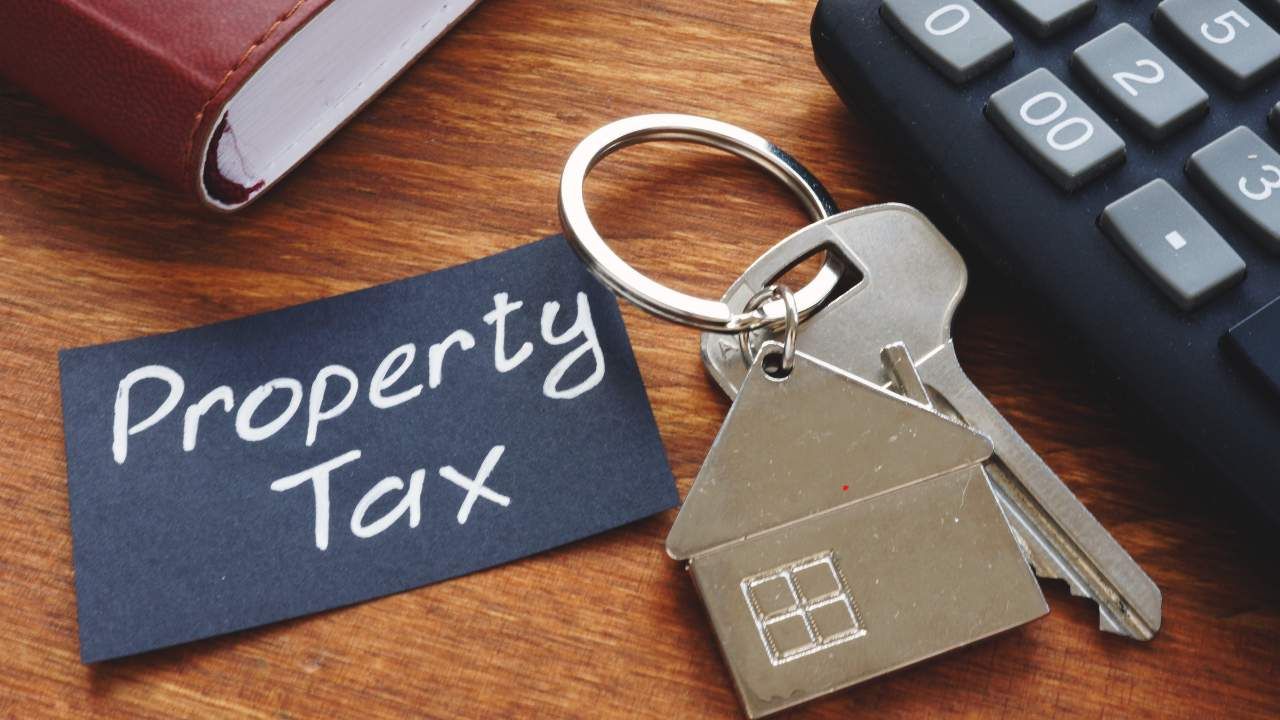
Skipping a property tax bill might feel harmless in the moment, but the consequences sneak up faster than most homeowners expect. What starts as a small overdue balance can turn into missed deadlines, penalties, and even the risk of losing your home. This is exactly why many people turn to tax filing consultants early before things get out of hand.
In this article, you’ll learn what really happens when property taxes go unpaid, how the process unfolds step-by-step, and what you can do to protect yourself long before the situation becomes critical.
Why Property Taxes Matter More Than You Think
Property taxes fund schools, roads, emergency services, and dozens of community essentials. When you fall behind, the county doesn’t just let it slide. They take action—quickly and systematically.
Here’s what typically starts happening once you miss the due date:
- Penalties and interest begin accruing immediately
- Your balance starts compounding every month
- Your name lands on the county’s delinquent tax list
- The county begins preparing for a potential tax lien
Even if you’re only a few hundred dollars behind, the meter keeps running until you take action.
The First Wave of Consequences: Penalties and Liens
Once your tax bill becomes officially delinquent, expect the county to file a tax lien against your property. This lien is essentially the government’s legal claim on your home. You still own it—but you no longer have full control.
A tax lien can:
- Damage your credit
- Prevent you from refinancing
- Block you from selling the property
- Increase rapidly with added fees
At this stage, many homeowners reach out to a tax service provider for help because trying to sort out these issues alone can be overwhelming.
How Tax Foreclosure Works (and Why It’s Serious)
If the lien sits unpaid long enough, the county can move toward tax foreclosure. This is the step most homeowners don’t realize can happen over something as simple as overdue property taxes.
Here’s what the county can legally do:
- Start foreclosure proceedings
- Auction off your property to recoup the unpaid taxes
- Transfer ownership to the winning bidder
- Evict you from the home, even if the mortgage is current
This process may take months or years depending on state laws, but once it starts, it’s incredibly hard to stop without paying the full amount owed.
A Real-World Case Study
A homeowner in North Carolina ignored two years of overdue property taxes, assuming the problem could wait. By the time the county filed a lien, the balance had more than doubled due to penalties and interest. The homeowner tried to refinance to cover the amount, but the lien blocked the approval. Eventually, the county initiated foreclosure. Only after working with Carolina Tax Consulting and arranging a repayment plan were they able to halt the auction and save the property. The situation could have been avoided entirely with early intervention.
How to Get Back on Track Before It’s Too Late
Falling behind is stressful, but you’re not out of options. Here’s what you can do starting today:
- Contact the county tax office to confirm your exact balance
- Request a payment plan—many counties offer installment programs
- Get professional guidance before penalties escalate
- Avoid ignoring letters or notices—they don’t go away
The earlier you take action, the more control you maintain.
Your Next Step: Don’t Wait Until the County Takes Action
If you’ve missed a payment—or you’re worried about falling behind—now is the time to get help. Talk with a tax professional who can walk you through solutions, negotiate with the county, and protect your property before the situation escalates. A single conversation can save you thousands and keep your home secure.
Ready to work with Carolina Tax Consulting, LLC?
Let's connect! We’re here to help.
Send us a message and we’ll be in touch.
Or give us a call today at 803-410-5885
Agency Contact Form
More Marketing Tips, Tricks & Tools